

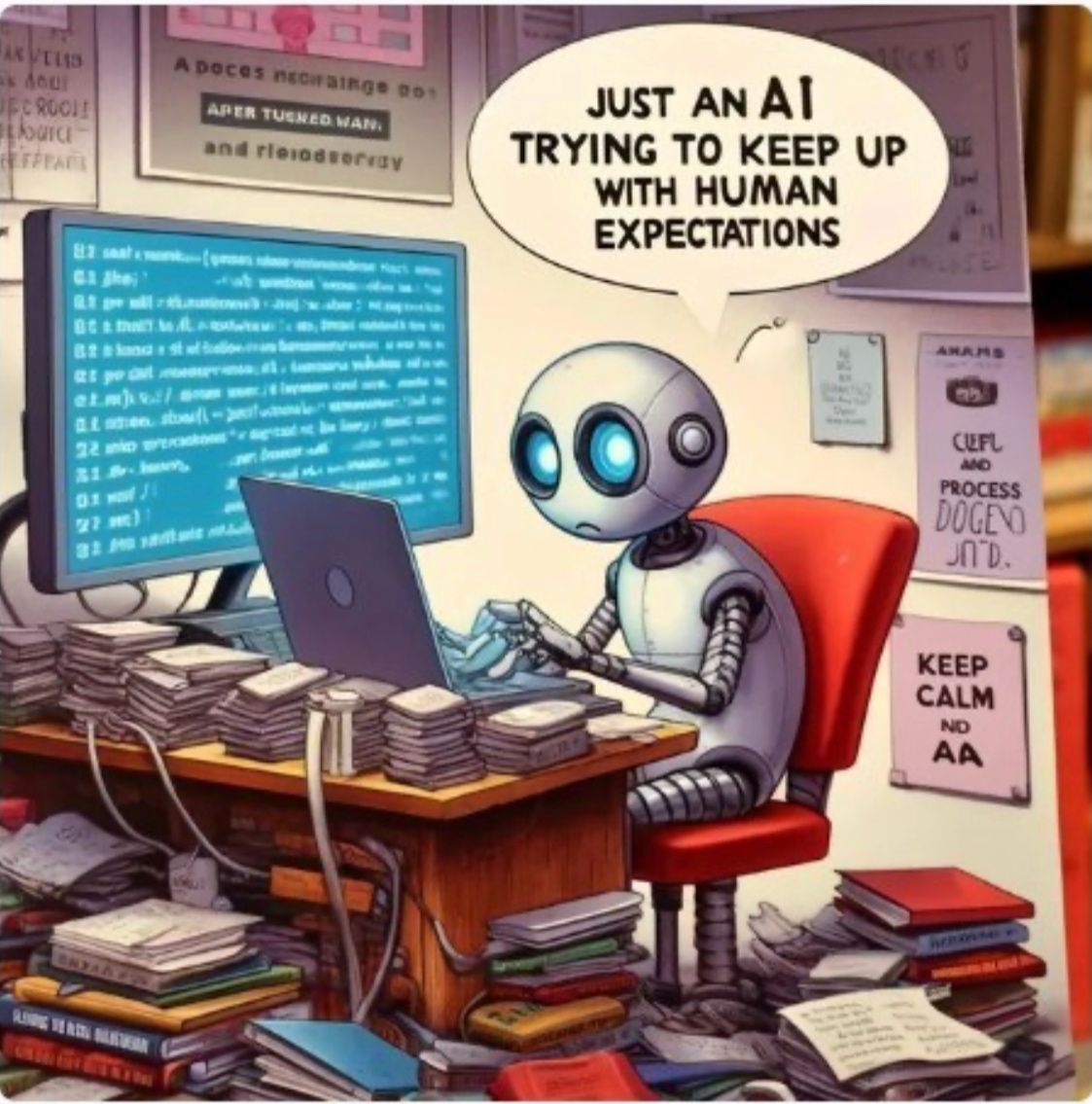
Writer.ai switching to a token-based model felt like a breakup I did not consent to.
No warning. No closure. Just “this is who I am now” and suddenly I am the one doing all the work in the relationship.
My team and I built real workflows around what it enabled. Speed. Consistency. The ability to get things done without turning every task into a five-step side quest.
Now I am over here trying to make Cursor do everything Writer used to do, and I have fully entered my Wile E. Coyote era.
Confident. Focused. Slightly unhinged.
Every solution looks like a tunnel. I commit. Full speed. Strategic. Visionary.
Painted brick wall.
At this point I am watching Cursor hallucinate and then questioning myself like “is this innovation or am I just tired?”
For example. I asked for a clean logo I could reuse in headers and footers. Not a rebrand. Not a design sprint. Just something functional.
Cursor gave me something.
Half decent. Slightly off. The kind of output where you think “okay… I can fix this.”
And then it followed up with “use a freeware design app to refine it.”
Now to be clear, I have a graphic designer. This is not a total loss.
But that was never the point.
The point was not to open a ticket and turn a 2-minute tweak into a tracked deliverable.
The point was speed.
I expected that I could make small adjustments and keep moving.
Apparently… that was too much.
And yes, I even tried to reverse-engineer my old prompts so I could recreate the magic.
Those prompts did not hit the same.
Which leads to the real lesson.
Tooling changes do not just impact output. They break invisible workflows your team depends on.
So here is the advice I am learning in real time while running into walls:
1. Reverse-engineer the behavior, not just the prompt.
It is not enough to copy the words you used before. You have to break down what the tool was actually doing behind the scenes. What context was it holding? What assumptions was it making? What did “good” look like in its output?
I tried recreating my prompts exactly and still got different results. Because the magic was never just the prompt. It was the system, the defaults, and the way the tool interpreted intent. If you do not map that, you are just recreating vibes and hoping for consistency.
2. Budget for chaos. Your productivity will dip. Your patience will dip faster.
3. Do not force one tool to do everything. Build a stack that actually supports how your team works.
4. Protect your quick wins. If everything has to go through a process, you are going to feel it immediately.
Cursor is evolving. We will figure it out.
But right now I am opening another tab, debating whether this is a “quick tweak” or a sprint task, and running straight into another painted wall.
Growth.